Cannabis vape pens have become one of the most common ways teenagers experiment with marijuana. Their small size, flavored cartridges, and high potency make them easy for teenagers to hide, difficult for adults to recognize, and easy to misuse without getting caught.
The National Institute on Drug Abuse (NIDA) found that the number of teens who reported vaping marijuana has increased substantially in the last five years. Among eighth graders who reported vaping marijuana, the share using flavored products increased from 47% in 2021 to 63% in 2024. Similar patterns appeared in older groups. For 10th graders, flavored use rose from 41% to 53%, while among 12th graders it went from 36% to 50% during the same period.[1]
Unlike traditional marijuana products, vape cartridges often contain highly concentrated cannabis oil. This can expose teens to much higher levels of THC, the main psychoactive compound in marijuana, in a very short period of time. And because teenagers’ brains are still developing, these devices can have a range of long-term adverse side effects.
For parents, understanding what these devices are and the risks they carry is key to preventing cannabis misuse among teens.
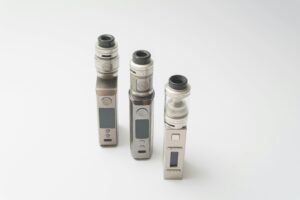 What Are Cannabis Vape Pens or Marijuana Vapes?
A cannabis vape pen is a small electronic device that heats cannabis oil so a person can inhale the vapor it creates. The devices work similarly to e-cigarettes that contain nicotine, and they can easily be mistaken for such.
The main difference is that cannabis vapes contain THC, the primary psychoactive substance in marijuana, or other psychoactive cannabinoids, like Delta-8 THC (a hemp-derived THC variant with similar but often milder psychoactive effects) or THC-A (a precursor to THC that becomes psychoactive when heated).
Most vape pens containing THC have two main parts:
- A battery that powers the device – These devices come in many different shapes and sizes. Some resemble pens or markers, while others look like USB drives or small metal sticks. Because they are compact and easy to carry, they can fit into pockets, backpacks, or pencil cases without attracting attention.
- A cartridge or “cart” that contains the cannabis oil or concentrate – The cartridges are typically smaller than the battery and transparent, allowing you to see a thick liquid inside.
Vape batteries are often rechargeable, allowing users to reuse the battery for different cartridges. However, some cannabis vapes are disposable and are meant to be thrown away after the cartridge’s liquid runs out.
Cannabis Vapes Are Highly Concentrated and Potent
An important point for parents to understand is that cannabis products today are much stronger than they were decades ago, and this is especially true for the oils and concentrates found in cannabis vapes.
Cannabis vape cartridges typically contain concentrated cannabis oil. This oil is created by extracting certain compounds from the plant and concentrating them into a thicker liquid. As a result, the level of THC in these products can be much higher than in traditional cannabis flower.
In some cases, a single cartridge may contain several hundred milligrams of THC. Because the vapor is inhaled directly into the lungs, the effects can happen quickly.
Health Concerns For Teens Who Vape THC
For teens who don’t use marijuana regularly or are unaware of the dangers of these products, it can be easy to consume more THC than they expect to. This can lead to unwanted reactions, such as:[2]
- Anxiety
- Panic attacks
- Dizziness
- Lightheadedness
- Nausea
- Trouble focusing
- Memory problems
These effects can be especially concerning for teenagers because the brain is still developing during adolescence. Areas of the brain involved in attention, decision-making, and emotional regulation continue developing into a person’s mid-20s, and frequent exposure to high levels of THC during these years can affect how these areas of the brain develop later in life.
In addition to adverse side effects, there’s also the risk of dependence and the development of a cannabis use disorder. While not everyone who uses cannabis develops a problem, some people do, and evidence shows that up to 30% of people who use cannabis regularly have a cannabis use disorder.[3]
It’s important to note that research suggests that people who start using cannabis at a young age may have a higher risk of developing dependence later.[3] This risk is higher when the individual is using high-potency cannabis products like vapes or other concentrates.
Although vaping cannabis may sometimes be seen as a “safer” or “cleaner” method of consuming THC, it has been associated with several long-term health risks, including acute lung injury.[2]
Signs Your Teen May Be Vaping Cannabis
Because cannabis vape pens are small and easy to conceal, it may not always be obvious if a teen is using them. However, there are several signs that may indicate a teen is vaping cannabis:
- Unfamiliar devices or cartridges found in their belongings – Vape pens can resemble ordinary pens, USB drives, or small metal sticks. You might also notice small cartridges or “carts” containing a thick oil. These cartridges are often clear or lightly tinted and may have labels or branding on them.
- Changes in behavior or mood – Teens who are using cannabis may seem unusually tired, distracted, or less motivated than usual. Some parents notice changes in attention, memory, or school performance.
- Physical signs after cannabis use – Red or bloodshot eyes, slowed reaction time, dizziness, or frequent coughing may sometimes occur after vaping cannabis. Some teens may also use eye drops, gum, or scented sprays in an attempt to mask these physical signs.
- Unusual smells or odors – Although vaping produces less odor than smoking marijuana, some cartridges contain flavored oils that can produce sweet, fruity, or chemical-like scents. Others may have a faint smell of marijuana.
What to Do if You Think Your Teen Is Vaping Cannabis
If you suspect your teen may be vaping cannabis, the first step is to approach the situation calmly. Reacting with anger or punishment alone can sometimes make teens less likely to be honest or open about their behavior.
Instead, try to start a conversation in a supportive and nonjudgmental way. Let your teen know you are concerned about their health and well-being, and ask open-ended questions about what they may have seen or experienced. Sometimes teens experiment with substances because of curiosity, peer pressure, or misinformation about the risks.
It can also help to share accurate information about cannabis vape pens and their potential health effects. Many teens believe that vaping is harmless or safer than other forms of drug use. Explaining that vape products often contain highly concentrated THC and can affect the developing brain may help them better understand the risks.
If you believe your teen may be using cannabis regularly or struggling to stop, it may be helpful to seek guidance from a healthcare professional, school counselor, or a substance use specialist. Early intervention can make it easier to quit. To find resources near you, visit https://apcbham.org/findhelp/ now.
References: