The illicit drug supply has become increasingly unpredictable, making every time a person uses substances more dangerous than before. In recent years, overdose deaths involving synthetic opioids have devastated communities across the nation.
One of the most powerful of these synthetic opioids is carfentanil.
Understanding what carfentanil is, why it’s so dangerous, and how to respond to an overdose can help protect you, your loved ones, and your community.
What is Carfentanil?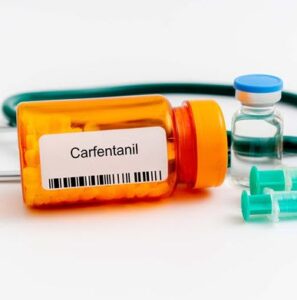
Carfentanil is an extremely powerful synthetic opioid drug that was originally developed for veterinary use. It is estimated to be 100 times stronger than fentanyl and 10,000 times stronger than morphine.[1]
Due to its strength, carfentanil is typically used to sedate large animals, like elephants or other large mammals. It is not approved for use in humans because even a very small amount can be life-threatening.
Similar to fentanyl, carfentanil affects the brain’s opioid receptors, but it is significantly more potent. This means it can slow or stop a person’s breathing within minutes, increasing the risk of a fatal overdose. Unfortunately, like fentanyl, people who use drugs may not realize they have been exposed to carfentanil, especially if it has been mixed into other drugs without their knowledge. Carfentanil is often colorless and odorless when combined with other substances, making it virtually impossible for the average person to detect.[1]
In recent years, law enforcement and public health officials have identified carfentanil in counterfeit pills and illicit drugs sold as heroin, fentanyl, cocaine, or methamphetamine. Since the substance is so potent, this significantly increases the risk of accidental overdose, especially for people who have no idea they are being exposed to it.
What Makes Carfentanil So Dangerous?
Even very small amounts of carfentanil (less than the size of a grain of rice) can have devastating effects on the body, making accidental exposure especially dangerous. A 2mg dose can be lethal for the average person.[2] Additionally, since it is not intended for human use, there is no safe or predictable dose.
Like other opioids, carfentanil affects the parts of the brain that control breathing and heart rate. As the drug slows the central nervous system, breathing can become dangerously slow or stop altogether, leading to respiratory depression and overdose. Without immediate medical attention, a lack of oxygen can quickly lead to brain damage or death.
Signs of a Carfentanil Overdose
An overdose on carfentanil can happen quickly, and it often looks just like an overdose on opioids like heroin or fentanyl. Common signs of a carfentanil overdose include:[3]
- The person cannot be woken up or is completely unresponsive
- Breathing is very slow, shallow, irregular, or has stopped
- The pupils become very small, often described as “pinpoint pupils”
- The person’s lips, fingernails, or skin begin to appear blue, gray, or pale because the body is not getting enough oxygen
- The person’s body is limp
- They make choking, gurgling, or snoring sounds
If you notice these signs, call 911 immediately and administer naloxone if it is available. Acting quickly can make the difference between life and death.
Can Naloxone (Narcan) Reverse a Carfentanil Overdose?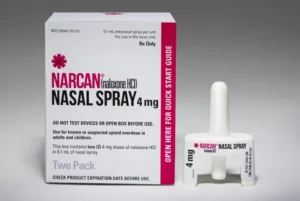
Yes. Naloxone, commonly known by the brand name Narcan, can reverse the effects of a carfentanil overdose, and it should be administered any time an overdose is suspected. However, since carfentanil is so potent, multiple doses of naloxone may be required to restore the person’s breathing.[4]
Even if naloxone appears to work, it is still critical to call 911 right away. This is because naloxone’s effects can wear off before carfentanil, a long-lasting drug, leaves the body. If this occurs, the person can begin overdosing again. Emergency medical professionals can provide additional treatment and monitor the person’s condition until carfentanil has left their system completely.
If you are responding to a suspected carfentanil overdose, stay with the person until emergency services arrive. Continue to monitor their breathing and any other symptoms. If they stop breathing and you have been trained to do so, provide rescue breathing or CPR until emergency medical services arrive.
Taking quick action by calling 911, administering naloxone, and staying with the person can significantly improve their chances of survival.
How to Protect Yourself and Others
While the rise of carfentanil in the illicit drug supply is concerning, there are steps you can take to reduce the risk of overdose and help protect those around you.
- Avoid counterfeit pills and illicit drugs – Carfentanil cannot be seen, smelled, or tasted, making it impossible to know whether it has been mixed into an illicit substance. Even pills that look like legitimate prescription medications may contain dangerous synthetic opioids like carfentanil. Only take medications that have been prescribed to you by a doctor and obtained from a licensed pharmacy.
- Carry naloxone – Keeping naloxone on hand and knowing how to use it can make a critical difference while waiting for emergency responders to arrive.
- Never use alone – If someone overdoses while alone, there may be no one available to call 911 or administer naloxone. Having another person nearby can significantly increase the chances of survival in an emergency.
- Learn signs of an overdose – Knowing how to recognize symptoms such as slow or stopped breathing, unresponsiveness, pinpoint pupils, and blue or gray lips or fingertips allows you to act quickly when every second counts.
- Encourage loved ones to seek help – If you’re concerned about someone’s substance use, offer support and encourage them to connect with a healthcare provider, treatment program, or local recovery resources.
Find Help Today
If you or someone you know is struggling with substance use, help is available. Visit https://apcbham.org/findhelp/ to learn more about prevention resources, treatment options, and support services available in our community.
References: