Alcohol plays a big role in American culture. It’s built into many of our celebrations, social events, holidays, work gatherings, sporting events, and even everyday routines. In 2024, more than 178 million people over age 12 in the U.S. (62% of the population) reported drinking alcohol in the past year, and 46.6% reported past-month drinking.[1] With numbers that high, it’s easy to see how drinking has become normalized and woven into so many moments of daily life.
However, people are starting to realize that just because alcohol is legal and socially acceptable doesn’t mean that it’s risk-free or the best choice for everyone’s health. That’s part of the reason a growing trend called Dry January has evolved into such a popular movement. It’s a no-obligation, 30-day goal that gives people a simple way to step back from something that’s so common and reflect on how it fits into their own routines.
What is Dry January?
“Dry January” is a term used to describe a month-long commitment during which people choose not to drink alcohol for the entire month of January. It started in 2013 when Alcohol Change UK launched its first Dry January campaign. However, according to TIME Magazine, its roots can be traced back to 1942 when Finland declared a “Sober January” to help win the war against the Soviet Union.[2]
Today, Dry January is for anyone, whether they drink daily, weekly, or only on special occasions, who wants to reflect on their relationship with alcohol while starting the New Year off with mental clarity and physical wellness.
Why is it so Popular? Understanding the Appeal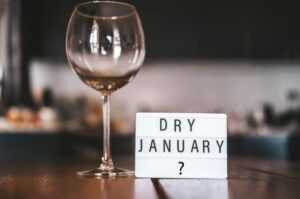
Dry January has become popular over the years for a number of reasons.
First and foremost, the end-of-year/holiday season often comes with holiday parties, family gatherings, late nights, travel, and a break in routine. With New Year’s resolutions in mind, January naturally feels like a clean slate, and many people use it as a chance to get back on track with healthier habits. A month without drinking alcohol is a great (and straightforward) way to start.
Once people began experiencing the benefits of Dry January for themselves, they quickly turned to social media to spread the word, and the trend has continued to grow over the years. About one-third of people had planned to participate in Dry January last year in 2025.[3]
Social media, workplaces, community groups, and health organizations now talk openly about Dry January, which helps normalize the idea of taking a break. People feel less awkward saying, “I’m not drinking this month,” because so many others are doing the exact same thing.
What People Notice During Dry January
While everyone’s experience is different, many people share similar benefits when they take a break from drinking, even for just a few weeks. These benefits include:[4]
- Improved sleep – Alcohol may make people feel relaxed at first, but it can actually interrupt natural sleep cycles, resulting in poor quality sleep. However, during Dry January, many people report falling asleep faster, staying asleep longer, and waking up more rested.
- More energy – With better sleep comes more consistent energy. People often say they feel clearer, sharper, and more productive when they take a break from drinking.
- Better focus – With more energy and a sharper focus, people often find that it’s easier to focus on tasks, stay productive, and stay motivated.
- Improved mood – Cutting back on alcohol can help reduce mood swings, irritability, and stress. Some people notice a calmer overall emotional state or fewer “ups and downs” throughout the day.
- Physical changes – Taking a break from alcohol can have a range of positive effects on the body, including less bloating, clearer skin, reduced inflammation, fewer headaches, and decreased heartburn.
For some individuals, Dry January becomes a way to assess how alcohol affects their daily life. Some people choose to return to their usual drinking habits with a clearer perspective, while others find they naturally drink less than before.
 Tips for a Successful Dry January
You don’t need a complicated plan to participate. A few simple strategies can make your Dry January experience smoother and more enjoyable.
Set Your Intentions
Start by identifying what you want from the month. Maybe you’re hoping to sleep better, save money, feel more energized, or simply reset after the holidays. Having a reason not to drink makes it easier to say “no.”
Tell A Friend For Accountability
Some people like to find a “Dry January buddy” so they can check in, swap tips, or even celebrate small wins together. When someone else knows what you’re doing and you share a common goal, it’s easier to stay motivated and feel supported, especially on days when not drinking feels challenging.
Find Alternatives You Enjoy
One of the easiest ways to stay consistent is to have non-alcoholic drinks on hand that make you feel included and satisfied. Luckily, alcohol-free options have grown a lot in recent years. You can choose from sparkling waters, botanical drinks, mocktails, zero-proof spirits, non-alcoholic beers and wines, and non-alcoholic flavored seltzers.
Plan Ahead Before Social Gatherings
Drinks are a routine part of many social environments, so planning ahead helps you feel more comfortable and confident. Think about what you’ll order at a restaurant, what you’ll bring to a party, or what you’ll say if someone offers you a drink.
Keep Track of How You Feel
The changes that come with a month-long break are often subtle at first, which is why tracking how you feel can be so helpful. Each day, take a minute or two to evaluate how you’re feeling. Take note of how you slept, your energy levels, mood, or anything else you notice. At the end of the month, look back at how things changed when you took a step away from alcohol.
If Taking a Break Feels Hard, You’re Not Alone, and Support is Available
For some people, taking a 30-day break from alcohol is easy to do, but for others, it can feel harder than expected. If you find that you’re struggling to stop, feeling uncomfortable without drinking, or realizing that alcohol has a bigger role in your life than you’d like, you’re not alone, and it doesn’t mean you failed Dry January, either.
With that being said, difficulty taking a break from alcohol can be a sign that you need some extra support. In fact, it’s common for people to reach this realization after trying a challenge like Dry January.
If you or someone you care about needs help, confidential resources and local support options are available. Visit https://apcbham.org/findhelp/ to learn more.
References:
- https://www.niaaa.nih.gov/alcohols-effects-health/alcohol-topics-z/alcohol-facts-and-statistics/alcohol-use-united-states-age-groups-and-demographic-characteristics
- https://time.com/6552262/dry-january-origins-alcohol-drinking/
- https://www.american.edu/news/dry-january-and-a-changing-relationship-with-alcohol.cfm
- https://www.womenshealthmag.com/health/a25350484/what-is-dry-january/