THC beverages are becoming increasingly common, and their familiar appearance can make them easy to overlook. Although these products are legally available to adults in many states, they are not harmless, particularly for adolescents whose brains are still developing. But by understanding what THC beverages are, how to recognize them, and what the risks are, parents can start open conversations about these drinks with their kids.
What are THC Beverages?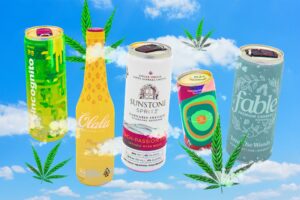
THC beverages are drinks that are infused with tetrahydrocannabinol (THC), the psychoactive compound found in marijuana that produces the feeling of being “high.” In most cases, the THC found in THC beverages is derived from hemp, a variety of the cannabis plant that contains very low levels of naturally occurring THC.
While hemp has been grown in the past for uses such as textiles, rope, paper, clothing, building materials, and CBD products, manufacturers can now also legally extract or convert compounds from hemp to create intoxicating THC products. Hemp-derived cannabis products were made possible through provisions in the 2018 Farm Bill.[1]
THC beverages can come in many different forms, such as:
- Sparkling water or seltzer
- Soda
- Lemonade
- Tea
- Mocktails
- Drink mixes
- Energy drinks
These beverages can contain any number of hemp-derived cannabinoids, such as Delta-8 THC, Delta-9 THC, CBD, or CBN.
Are THC Beverages Legal in Alabama?
THC beverages exist in a sort of legal gray area. While marijuana itself remains illegal in Alabama, hemp-derived THC beverages are legal for adults aged 21 or older. These products meet the federal definition of hemp outlined in the 2018 Farm Bill, but contain enough THC to produce intoxicating effects.
THC beverages are regulated. For example, in Alabama, the state law limits the amount of THC allowed in each product (up to 10mg per serving), requires retailers to obtain a license to sell hemp products, and establishes rules for testing, labeling, and packaging.[3]
While these products are legal for adults, they remain illegal for minors and can still pose significant health and safety concerns for young people.
THC beverages are so popular that, according to Forbes, they generated $239 million in sales last year.[2]
The Appeal and Popularity of THC Drinks
THC beverages are often marketed as an alternative to alcohol. Companies that sell them often advertise them as a way to relax or unwind without facing the effects of an alcohol hangover.
Many THC drinks feature sleek cans, colorful designs, and flavors like mango, watermelon, berry, or citrus. On social media, you can often see influencers drinking them, presenting them as a lifestyle or health beverage rather than a mood-and-mind-altering substance.
As THC beverages become more visible, young people may begin to view cannabis use as routine or harmless, especially if they see products displayed alongside everyday drinks.
What Parents Should Know About Teens and THC Beverages
Unlike traditional marijuana products, THC drinks don’t produce the familiar smell many parents associate with marijuana. Not only that, but they can look nearly identical to regular sparkling water, sports drinks, or carbonated sodas. This makes them easy for parents to overlook if they don’t know what they’re looking for, and easy for teens to mistake for a regular beverage, leading to accidental intoxication. Even though the packaging may include dosage information, it is often printed in small text or uses terminology unfamiliar to consumers.
Unfortunately, some young people believe they’re safer simply because they’re drinks instead of something smoked or vaped. Others assume hemp-derived THC isn’t “real THC” or doesn’t produce intoxication. But the truth is that THC affects the brain regardless of whether it comes from smoking, vaping, edibles, or beverages.
THC use can be especially harmful during developmental years. The adolescent brain continues developing well into the mid-20s, and areas of the brain that are responsible for decision-making, impulse control, memory, and emotional regulation are still under construction during the teenage years.
Whether it’s a beverage or another form of THC, frequent use during adolescence can result in problems with:[4]
- Learning and memory
- Attention span
- Ability to concentrate
- Decision-making
- Mental health
- Academic performance
- Motivation
Not every teenager who experiments with THC will experience long-term consequences, but early use is associated with a higher likelihood of developing substance use and related challenges later in life.
 Tips for Keeping Teens Safe From THC Beverages
While parents can’t control each and every situation their teens encounter, they can reduce the risk of adolescent substance use as well as accidental THC ingestion. Steps to take include:
- Learn what THC beverages look like and how they’re marketed.
- Read all labels carefully before purchasing unfamiliar beverages.
- Store THC products securely and out of reach if they are kept in the home.
- Talk with your family members about safely storing cannabis products around children and teens if someone in the home uses them
- Encourage healthier ways to manage stress, anxiety, and peer pressure.
- Always remain engaged with your child’s activities, friendships, and online influences.
Youth-led prevention programs can also give teens opportunities to learn about substance use, build leadership skills, and encourage healthy decision-making. Learn how APC empowers and educates youth to engage in healthy conversations and to spearhead prevention activities in their communities by visiting https://apcbham.org/who-we-are/how-we-help/students-2/.
How Parents Can Start the Conversation
One of the best ways to prevent adolescent substance use is through open, honest, and consistent communication. Rather than waiting until you find a THC beverage or hear about one from school, make conversations about cannabis a regular part of discussing your child’s health and safety.
Without being accusatory, consider starting the conversation by asking questions like:
- “Have you heard about THC drinks at school or on social media?”
- “Do you know the difference between CBD and THC?”
- “What have your friends said about these products?”
Make sure to listen without immediately judging or lecturing. When teens feel heard, they’re often more willing to ask questions and share their experiences openly with their parents and caregivers. Then, use the opportunity to discuss the potential risks of THC use during adolescence. Remind them that legal doesn’t always mean safe or healthy for a brain that is still developing.
Find Help for Substance Use
If you’re concerned that your child is experimenting with THC beverages or other cannabis products, remember that you’re not alone. Whether you have questions about adolescent substance use, need help recognizing warning signs, or are looking for treatment resources for a loved one, help is available. Visit https://apcbham.org/findhelp/ to learn more.
References:
- https://abc7ny.com/post/thc-seltzers-rise-popularity-what-know-drinks/16269734/
- https://www.forbes.com/sites/noelburgess/2026/07/20/thc-drinks-federal-hemp-deadline-2026/
- https://www.montgomeryadvertiser.com/story/news/2025/12/30/what-al-laws-are-changing-jan-1-2026-hemp-cannabis-tax-updates/87958583007/
- https://pmc.ncbi.nlm.nih.gov/articles/PMC3930618/