Non-medical use of prescription drugs among teens often begins at home. It’s estimated that more than 42% of teens who have misused a prescription drug obtained it from their parents’ medicine cabinet at home, and more than half (56%) of teens say it’s easy to get access to their parents’ prescription medications.[1]
Unused prescriptions, especially those intended for pain, sleep, or anxiety, can become a hidden risk when they linger without supervision.
Unused Prescriptions: A Problem Hiding in Plain Sight
Most people don’t think twice about keeping leftover medication. They either think they might need it someday or simply forget about it when it isn’t being used.
However, prescriptions are written for specific situations, specific doses, and specific people. Once that situation has passed, the medication is no longer just “extra,” but they become an unmonitored risk for people who may access them.
For example, teenagers are naturally curious. They are also navigating stress, social pressure, and emotional ups and downs, often without fully developed judgment about risk-taking. When medications are easily accessible, they can seem like a safe or “approved” option compared to illicit drugs. After all, the pills came from a pharmacy and were prescribed by a doctor, so they’re often viewed as safer than illicit drugs, even though this isn’t necessarily the case.
How Accessible, Unused Medications Pose a Threat
Ease of access is closely related to non-medical use of prescription drugs among teens. In fact, research consistently shows that teens are far more likely to misuse substances that are readily available. When medications are left in open or shared spaces, such as bathroom cabinets, kitchen drawers, and bedside tables, they become part of the everyday environment rather than something controlled and monitored.
For a teenager, this kind of access can quietly lower the sense of risk. There is no barrier to slow them down, no moment that forces them to pause and think before they act. Accessibility also shapes perception of risk. If a medication is easy to find and no one seems concerned about where it’s kept, it can signal that it isn’t particularly dangerous.
There is also the reality that teens often know more about their home environment than adults expect. They recognize what gets stored, what gets used, and what gets forgotten. Even medications that you may forget about may be something they easily discover over time.
Of course, this doesn’t mean that access alone determines a teenager’s behavior, but it does shape the conditions in which choices are made.
 Why Teens May Turn To Prescription Drugs
Teens may use prescription medications for a range of non-medical reasons, some of which include:[2]
- Coping with stress or anxiety – School pressure, social dynamics, and future uncertainty can feel overwhelming. Some teens turn to medications they believe will calm them down or help them sleep.
- Curiosity, boredom, and experimentation – Curiosity plays a strong role in non-medical use of prescription drugs among young people. If something is within reach, it may be tried simply to see what it feels like.
- Peer pressure or to fit in – Sharing pills at a party or among friends can become a social activity, especially if the risks are not well understood or there’s pressure to “fit in.”
- Self-managing pain or emotions (self-medication) – Without guidance, teens may try to “treat” themselves, using whatever is available.
Around 5% of 12th graders report misusing prescription drugs in the past year.[3]
Highlighting the Risks
Unused prescriptions carry real risks, even when it’s a medication that is seemingly harmless. The dangers include:
- Incorrect use/dosing – Prescriptions are written for a specific person, condition, and dosage. When a teen takes medication that wasn’t prescribed to them, they’re guessing, and they could experience an overdose. Even a small amount can be too strong, leading to side effects like dizziness, nausea, confusion, or slowed breathing.
- Dangerous combinations – Teens may not realize how medications interact. Mixing prescriptions with each other, over-the-counter drugs, or alcohol can intensify effects in unpredictable ways and increase the risk of serious harm or overdose.
- Increased chance of repeat use – Medications like opioids or benzos can trigger euphoria and pain relief. That feeling can be appealing, making it more likely a teen will use the drug again, not for a medical need, but to cope or escape.
- Physical and mental health risks – Ongoing misuse can affect concentration, memory, mood, and energy levels. Over time, this can interfere with school, relationships, and overall well-being.
- Sharing with others – Leftover prescriptions are often shared among friends, especially in social settings. What starts as one person’s access can quickly extend to others, increasing the number of teens who may be affected.
Leaving unused medications in your home doesn’t always lead to immediate consequences, which can make doing so an easy risk to underestimate. But when unused prescriptions are left within reach, they quietly create more opportunities for harm.
What Parents And Caregivers Can Do About Unused Prescriptions
Unused prescriptions don’t have to remain a hidden risk in the home. With a few steps, parents and caregivers can greatly reduce access and help teens make safer choices.
Take Inventory
Start by looking through what’s in your home. Check your medicine cabinets, drawers, and bags for any leftover medications. Write down what you have so you can have an inventory of what you have. Then, you can decide what needs to be disposed of, and what needs to be kept (and where).
Secure Medications Safely
Keep any prescriptions that you still need in a place that isn’t accessible to everyone, such as a locked box or locked cabinet. Consider placing them in a non-shared space, such as your private bathroom, rather than the kitchen.
Dispose of Unused Prescriptions
If a medication is no longer needed, don’t keep it “just in case.” Many pharmacies and community programs offer safe disposal options. Removing unused medications reduces the chance they’ll be misused later.
Talk Openly With Teens
Have simple, direct conversations about what medications are for and why they shouldn’t be shared or used without guidance. A calm, honest tone is often far more effective than warnings or lectures.
Set an Example
How you manage medications in the home is more important than you may think, so it’s essential to lead by example. This means taking prescriptions as directed, storing them carefully, and disposing of them when they’re no longer needed.
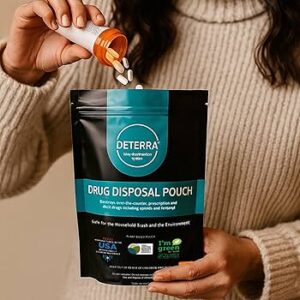 Reducing Risk Starts at Home
Small actions can go a long way. Taking just a few minutes to check, clear out, and secure medications will greatly reduce the risks associated with keeping them lying around.
Learn more about safe medication disposal or request a medication disposal kit from us by visiting https://apcbham.org/safe-medication-disposal/.
To find resources for teens or get tips on starting and continuing a dialogue about substance use with your teenager, visit https://apcbham.org/who-we-are/how-we-help/parent-tool-box-old/
References:
- https://drugfree.org/newsroom/news-item/national-study-teen-misuse-and-abuse-of-prescription-drugs-up-33-percent-since-2008-stimulants-contributing-to-sustained-rx-epidemic/
- https://www.getsmartaboutdrugs.gov/family/why-do-teens-use-drugs
- https://nida.nih.gov/publications/research-reports/misuse-prescription-drugs/what-scope-prescription-drug-misuse